Optimal Timing for Stamped Concrete
Timing for stamped concrete service is crucial to ensure optimal results and durability. The best period typically depends on climate conditions, with mild temperatures and low humidity providing ideal conditions for installation and curing. Proper timing minimizes the risk of issues such as cracking, warping, or improper setting.
Spring and early fall are generally preferred for stamped concrete projects due to moderate temperatures and stable weather conditions.
Temperatures between 50°F and 85°F are ideal for installation, allowing concrete to cure properly without rapid drying or freezing.
Dry weather with low humidity reduces curing issues and enhances the quality of the stamped finish.
Spring and fall typically offer longer periods of suitable weather, providing flexibility in scheduling.
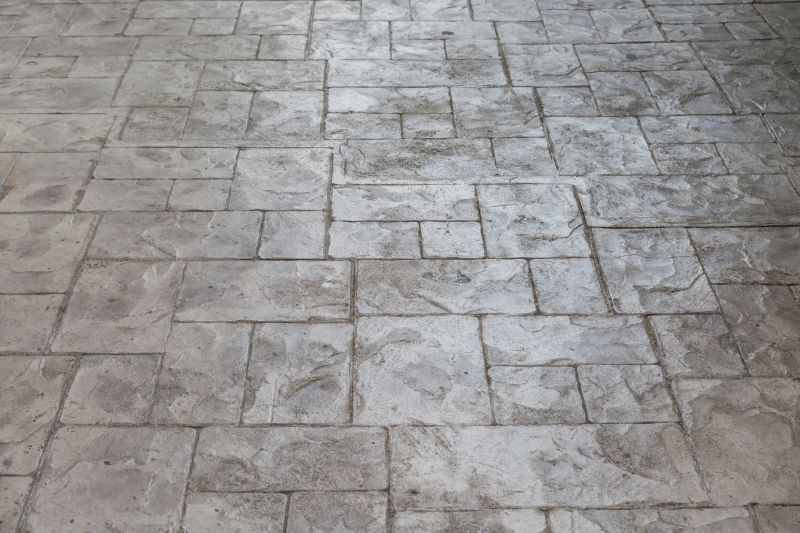
Spring offers moderate temperatures ideal for installation and curing.

Early fall provides stable weather, reducing the risk of weather-related issues.
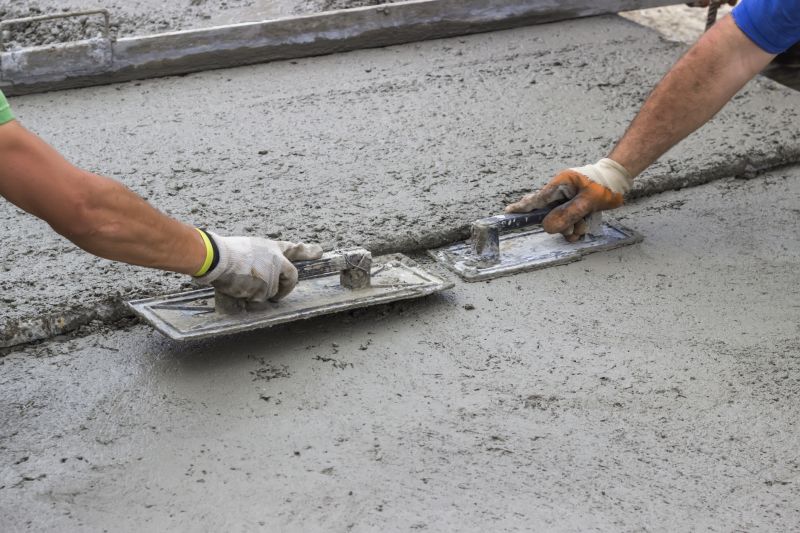
Proper curing depends on maintaining optimal temperatures during installation.
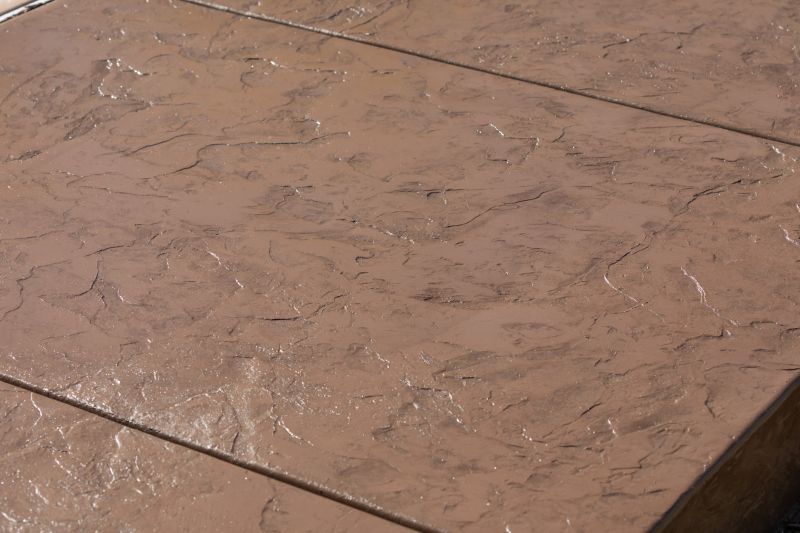
Low humidity and dry conditions ensure better adhesion and finish quality.
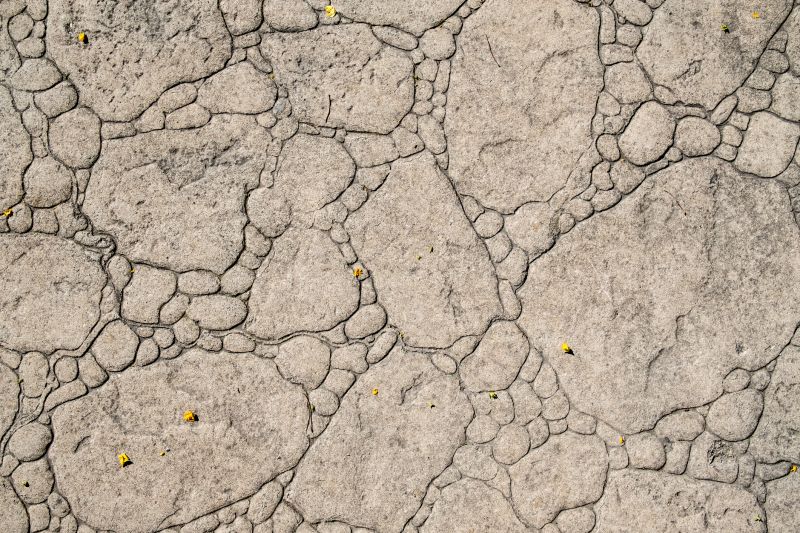
Cold temperatures can cause improper curing and cracking in stamped concrete.
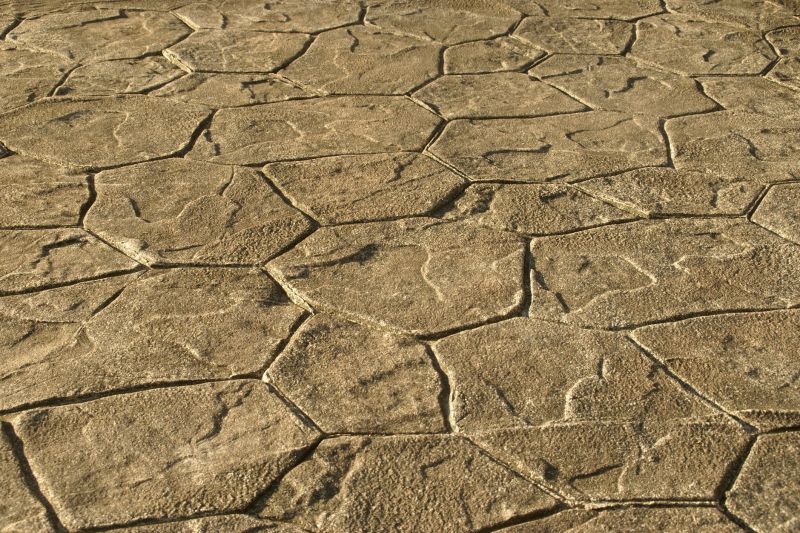
High heat requires additional measures to prevent rapid drying and surface cracking.
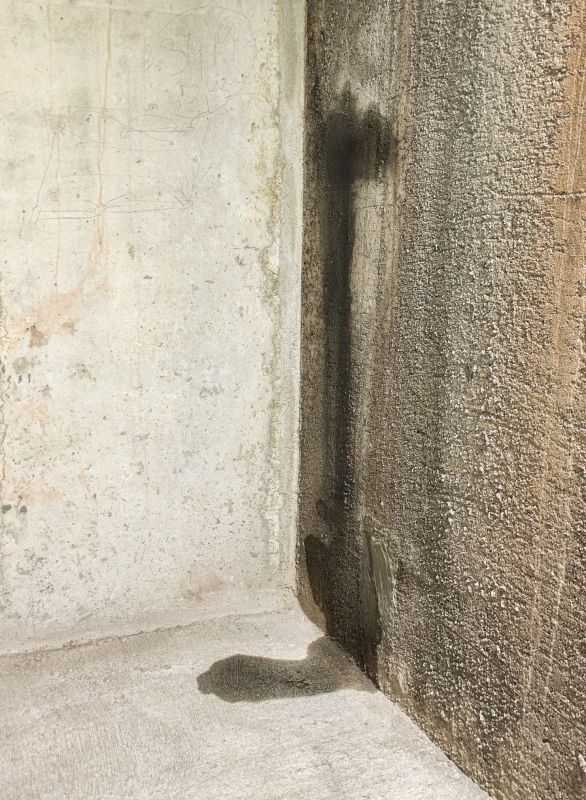
Rain during installation can lead to surface imperfections and curing delays.
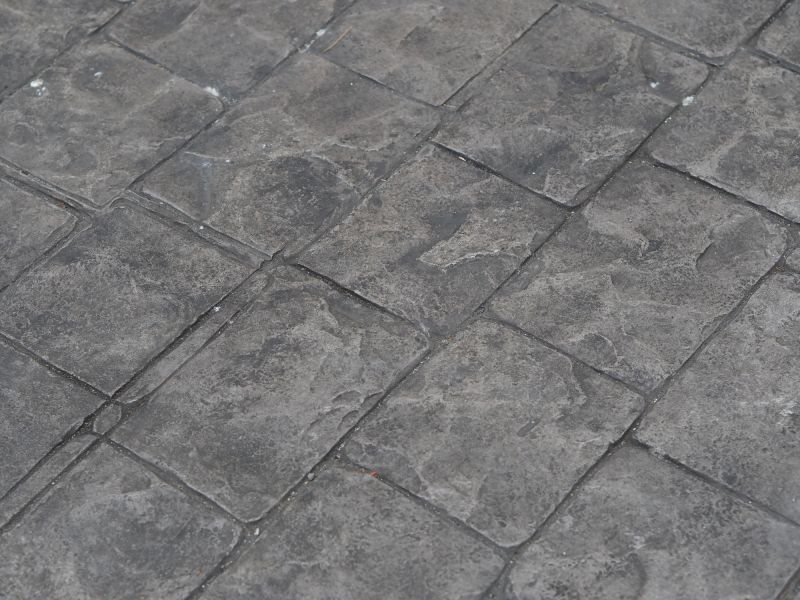
Spring and fall typically provide more flexible scheduling options.
Monitoring weather forecasts helps select optimal days for installation.
| Season | Ideal Conditions |
|---|---|
| Spring | Moderate temperatures, low humidity, dry weather |
| Early Fall | Stable weather, mild temperatures |
| Summer | Possible, with precautions for high heat |
| Winter | Not recommended due to cold and potential freezing |
Stamped concrete service involves imprinting patterns and textures onto freshly poured concrete surfaces to mimic the appearance of stone, brick, or other materials. This decorative method enhances curb appeal and adds value to outdoor spaces. Proper timing ensures the concrete cures evenly, preventing issues like cracking or uneven surfaces. The process typically includes pouring, stamping, and sealing, with each step requiring specific environmental conditions for optimal results.
Statistics indicate that projects completed during optimal weather conditions have a 20% lower incidence of surface defects and a 15% longer lifespan. Proper timing also reduces the need for repairs and enhances the aesthetic appeal of stamped concrete installations.
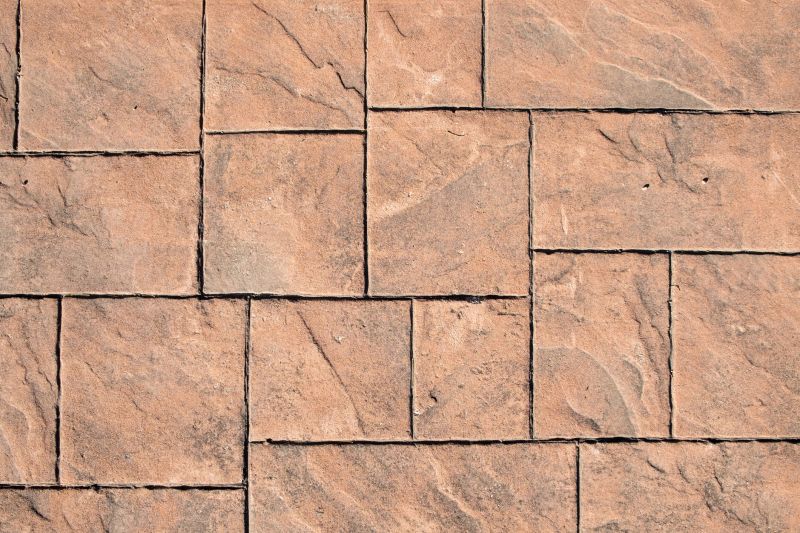
A detailed pattern enhances outdoor aesthetics.
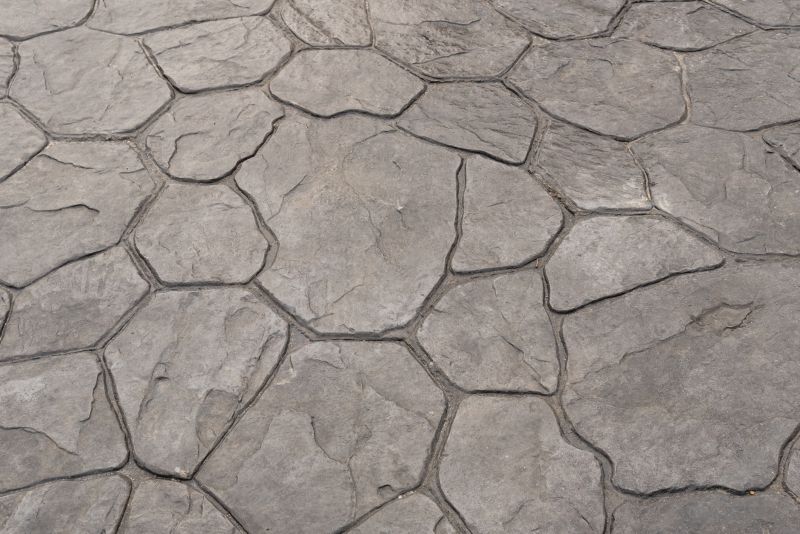
A durable, textured surface with decorative appeal.
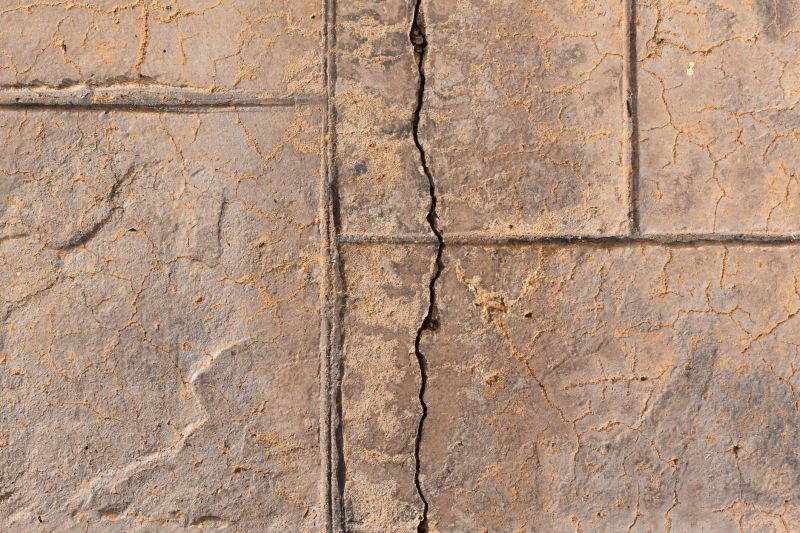
Proper curing is essential for durability and appearance.
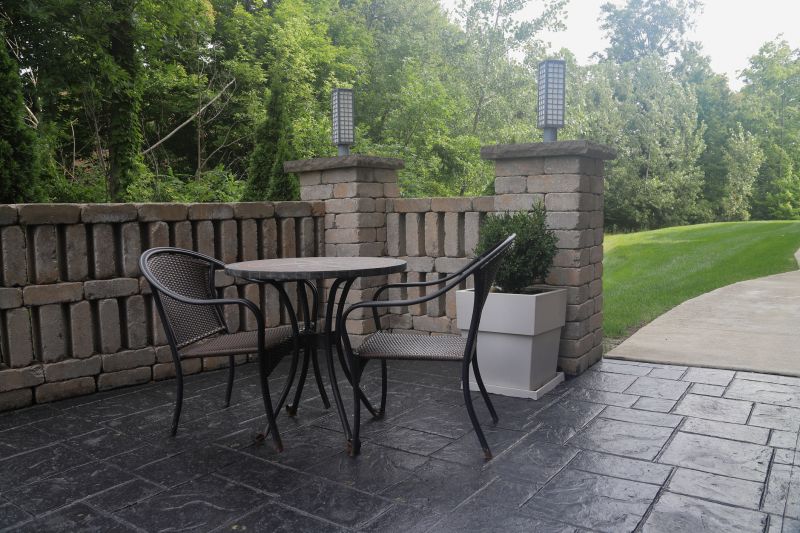
Ideal for patios, walkways, and driveways.
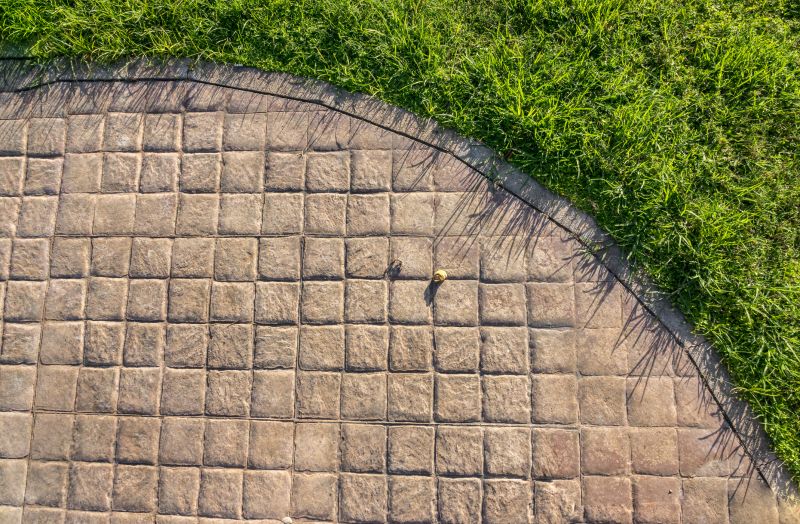
Ways to make Stamped Concrete Service work in tight or awkward layouts.
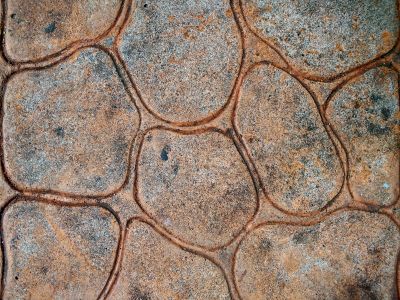
Popular materials for Stamped Concrete Service and why they hold up over time.
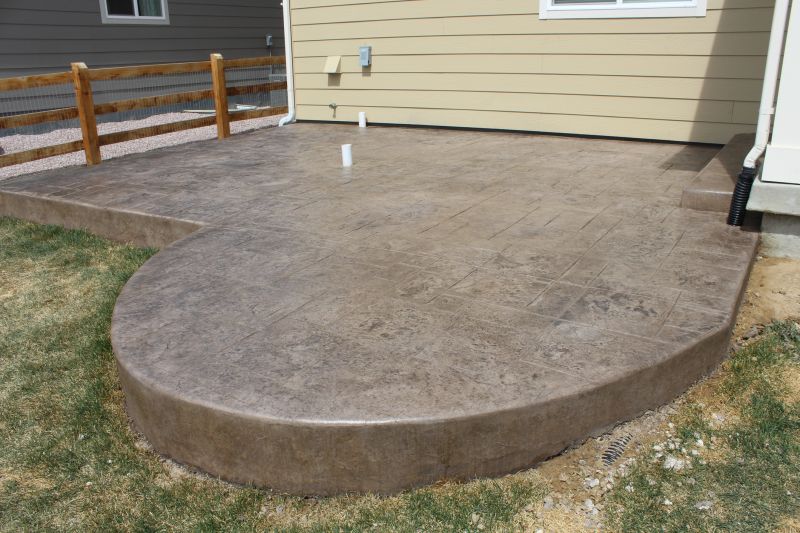
Simple add-ons that improve Stamped Concrete Service without blowing the budget.
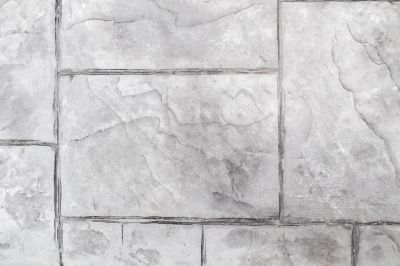
High-end options that actually feel worth it for Stamped Concrete Service.
Interested parties are encouraged to contact for additional information or to schedule a consultation for stamped concrete service. Proper timing and preparation can significantly impact the final appearance and longevity of the project.